How DanceBUG powers high-volume dance competition livestreaming with Castr
Each season, DanceBUG creates hundreds of competition streams through Castr’s developer API and delivers them as HLS inside the app families are already using.
One of the world’s largest dance competition media platforms
DanceBUG is a video and event technology platform built for the dance competition industry. Founded in 2002, it has grown into one of the largest dance media companies in the world.
The platform runs the whole event: registration, scheduling, tabulation, video adjudication, media delivery, and livestream access, used by competitions, studios, dancers, and their families.
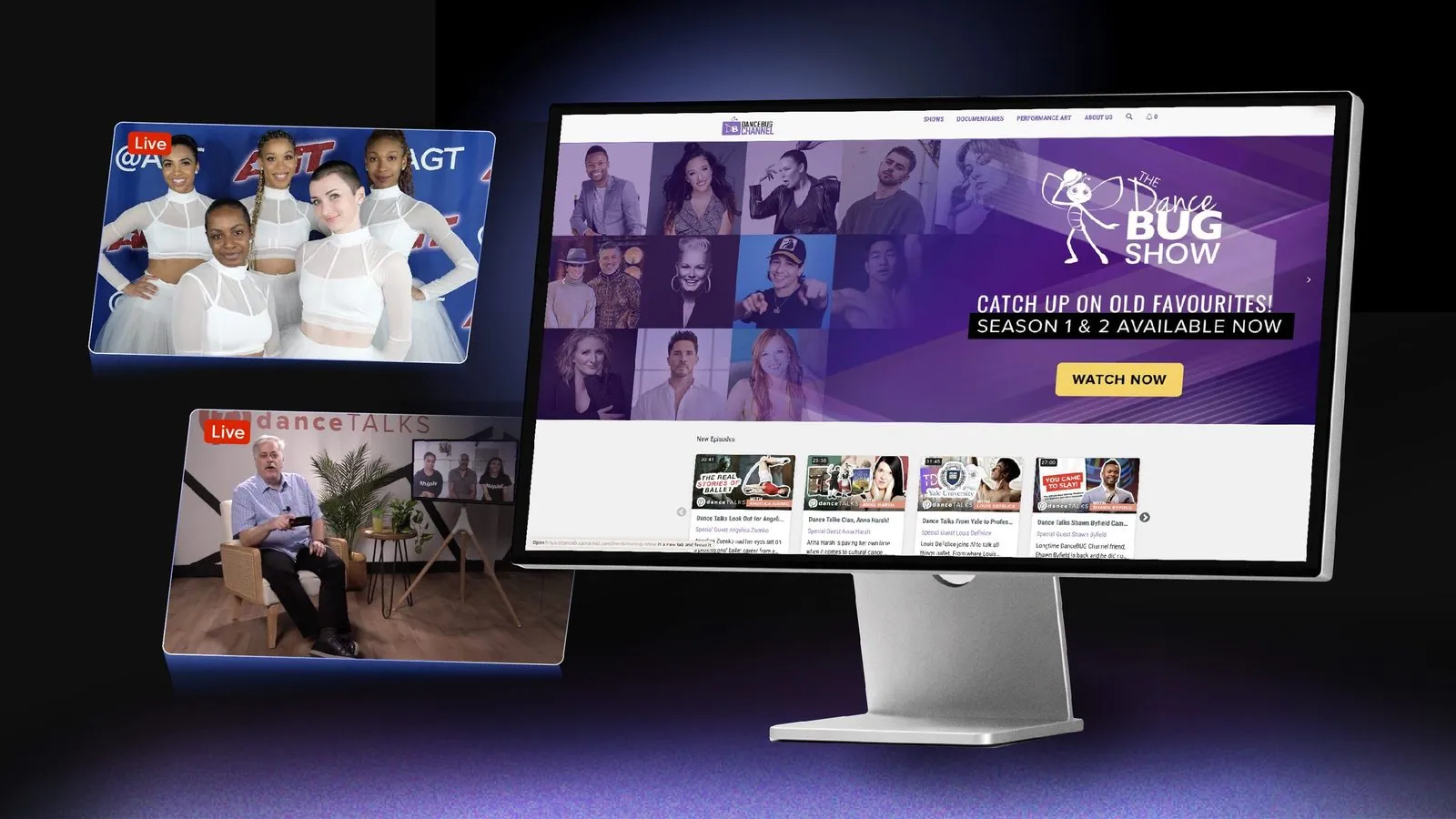
Live video sits at the center of that experience. Families watch competition streams through the DanceBUG app, follow schedules, track routines, and buy event photos and videos afterward. When a dancer takes the floor, the stream has to be there, and it has to feel like part of the platform rather than a service bolted onto it.
Every competition needs its own stream, and the calendar keeps growing
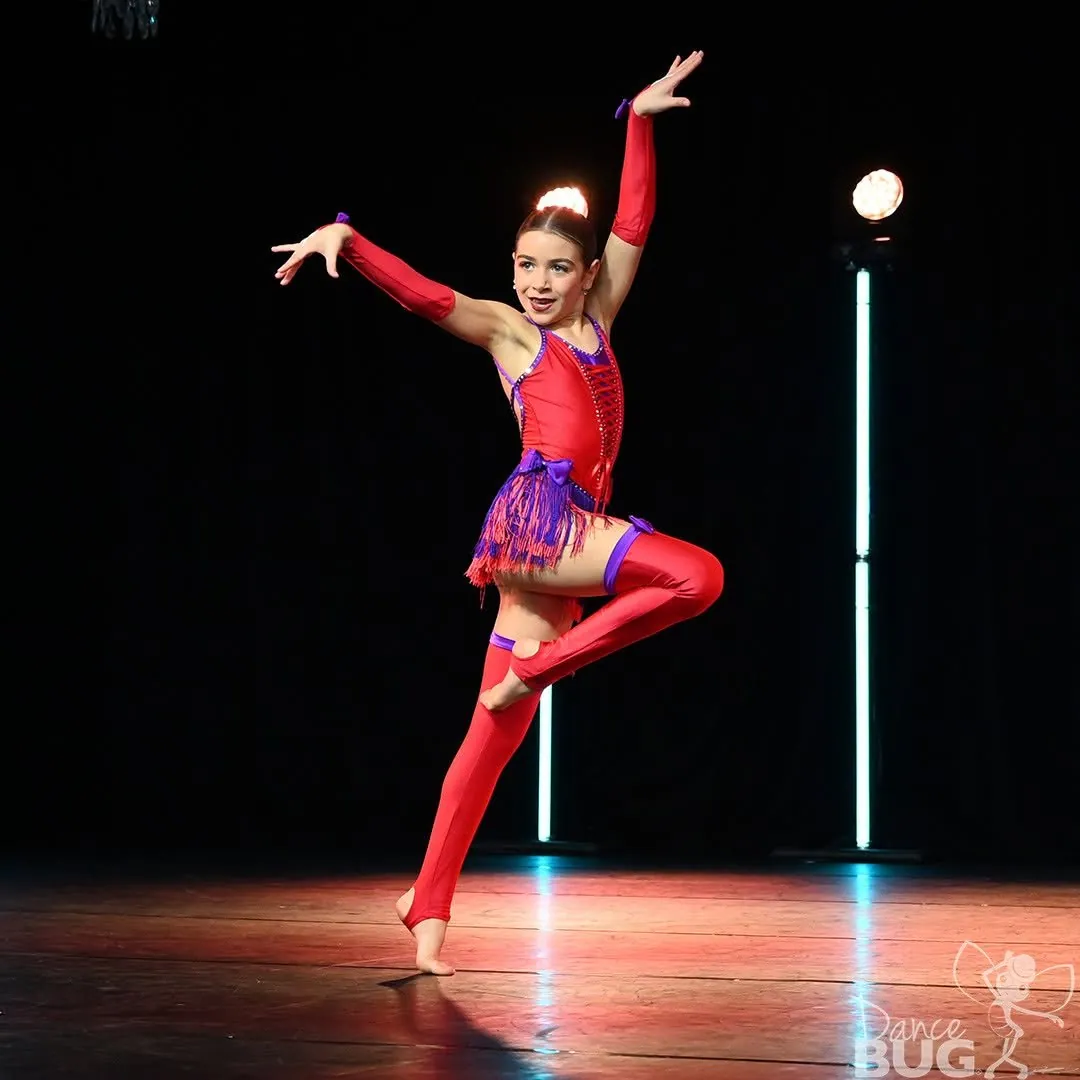
Dance competitions are schedule-driven events that run for hours or days, with hundreds of routines, multiple stages, and families watching from wherever they are. The stream has to be live the moment a performance begins.
The difficulty was never streaming one event. It was running a season of them, with competitions clustering into busy weekends and each one needing its own setup.
That video also had to arrive inside DanceBUG’s own product. Families follow a competition through the app and website, so playback had to embed into an experience the company controls end to end.
At that volume the manual work is the ceiling. Anything that needed a person to configure each competition would cap how many events DanceBUG could take on.
The priorities
- Deliver reliable livestreams across hundreds of competitions a season
- Produce HLS playback that embeds in DanceBUG’s own app and website
- Create and organize streams programmatically rather than by hand
- Handle single-stream events and multi-stage competitions alike
- Absorb bandwidth peaks when the calendar clusters
- Reduce dependency on its previous streaming provider
DanceBUG needed video infrastructure to build on, not a player to embed
As the calendar grew, the requirement stopped being somewhere to send a stream. DanceBUG needed live video its own systems could create and organize, which ruled out anything ending at a hosted watch page. The team was looking for HLS output it could place inside its app, an API its platform could call, and headroom for the weekends when many competitions run at once.
Castr could supply the streaming layer and stay out of the way of the product experience, which let DanceBUG keep full control of what families see while handing off the infrastructure underneath.
One streaming layer behind every competition on the calendar
DanceBUG uses Castr to power live delivery across its competition video workflow. Streams are created and organized across competitions, stages, and event partners, and the HLS output goes straight into the DanceBUG website and app.
Through Castr’s developer API, that infrastructure connects to the event, scheduling, and media systems DanceBUG already runs, automating the parts of the workflow that used to be set up by hand.
Castr sits beneath the platform rather than beside it, so adding competitions to the calendar does not mean treating each one as a new integration.
Live streaming with HLS delivery
Developer API for stream creation and management
Event-based stream organization
Multi-stage and multi-event workflows
Regional stream ingest
High-volume stream management
Scalable bandwidth for peak weekends
Reliable playback across web and mobile
Supporting hundreds of event streams
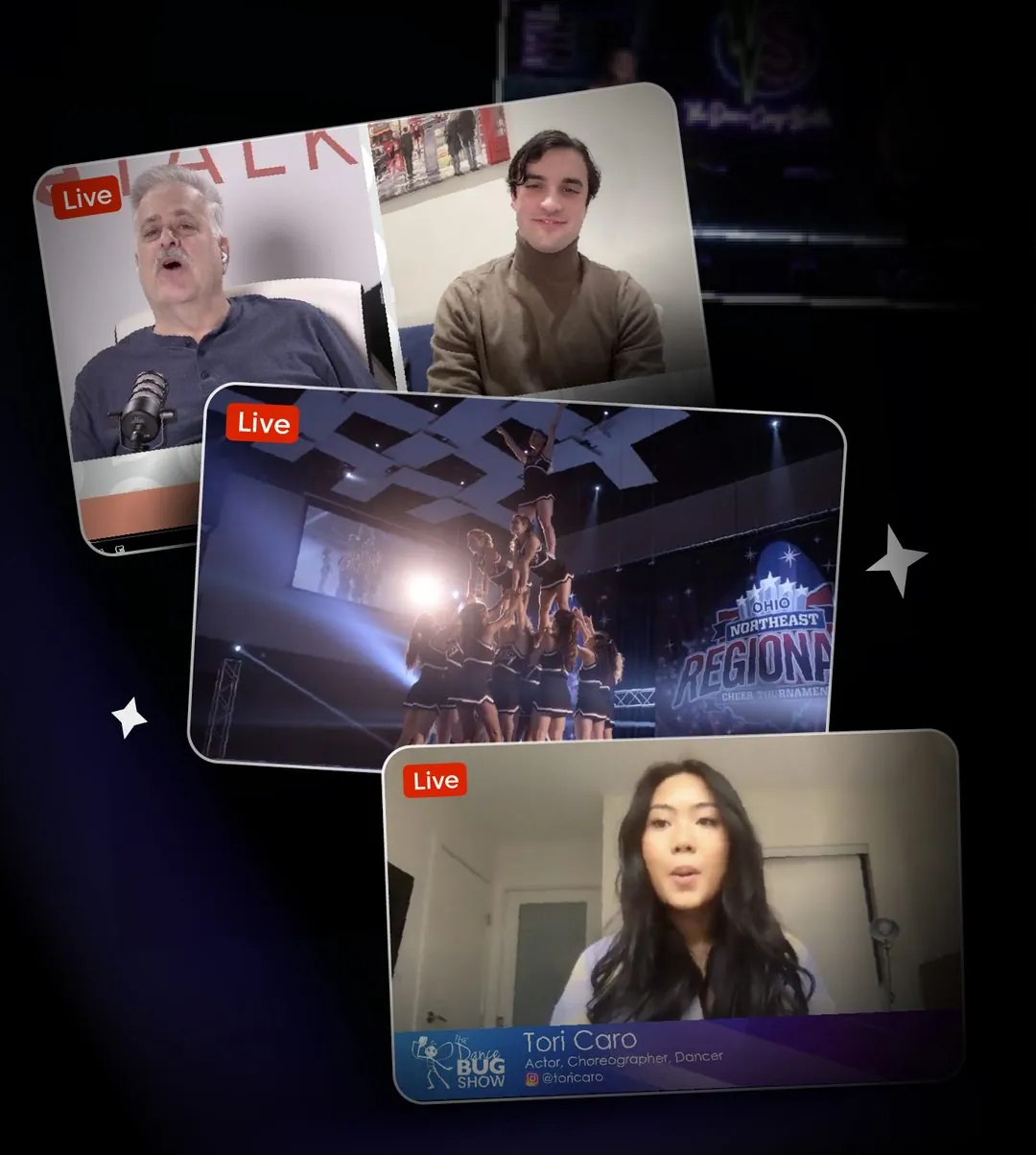
DanceBUG manages hundreds of livestreams through Castr across championships, regional competitions, tournament-style events, and multi-stage showcases.
No two events are alike. A smaller competition may need a single stream, while a larger one runs several at once across rooms and stages. Organizing them by competition and stage keeps each stream with the right audience and event partner.
Scale comes from the number of events, not the effort spent on any one of them.
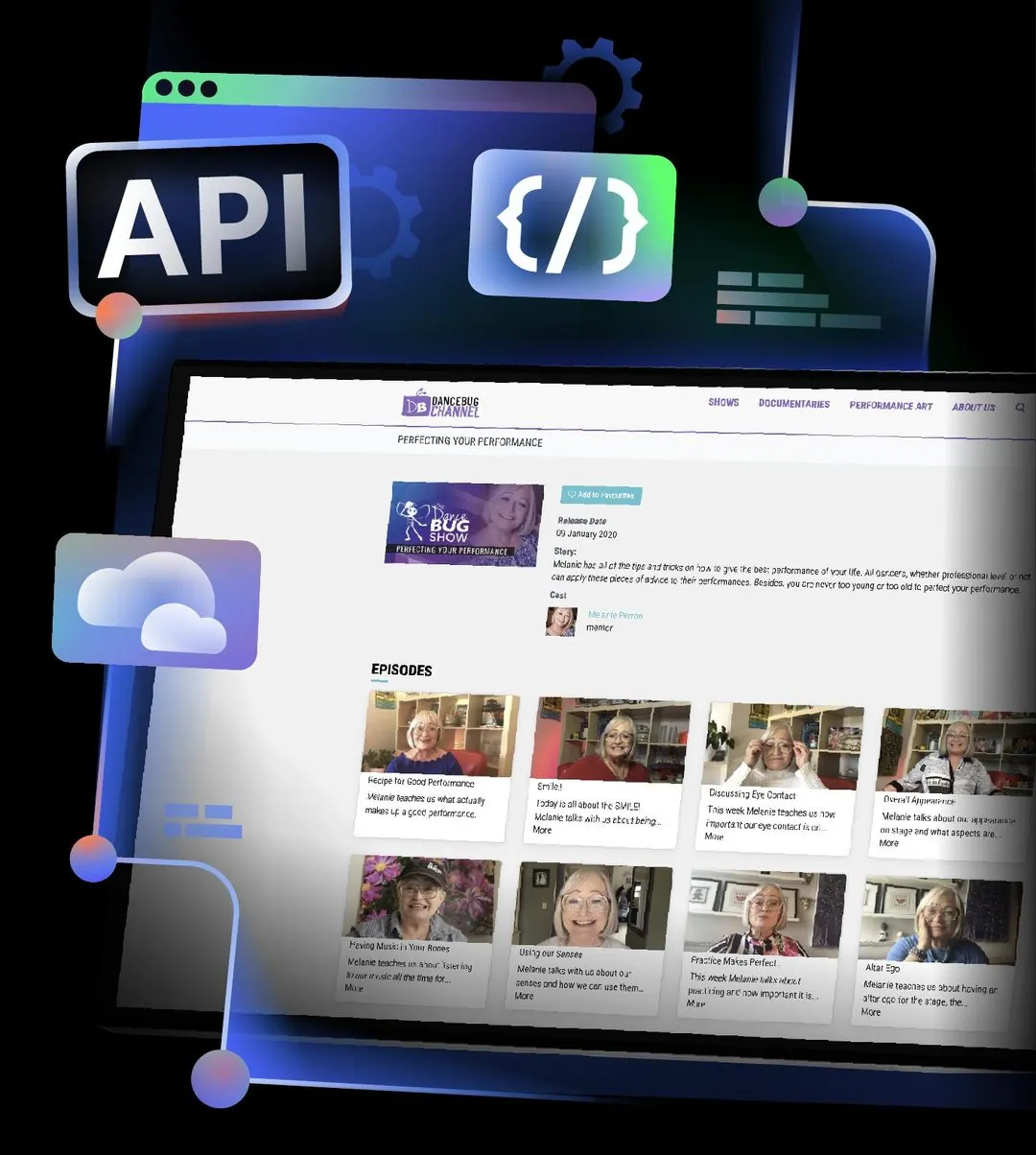
Driving the workflow through the developer API
Rather than working through a dashboard, DanceBUG connects Castr into its own platform and manages livestreams programmatically, fitting video into the event, scheduling, and media systems it already runs.
The API lets DanceBUG:
- Create streams as competitions are scheduled
- Organize them by event, stage, and partner
- Pull HLS playback into the app and website
- Drive the whole workflow from its own systems
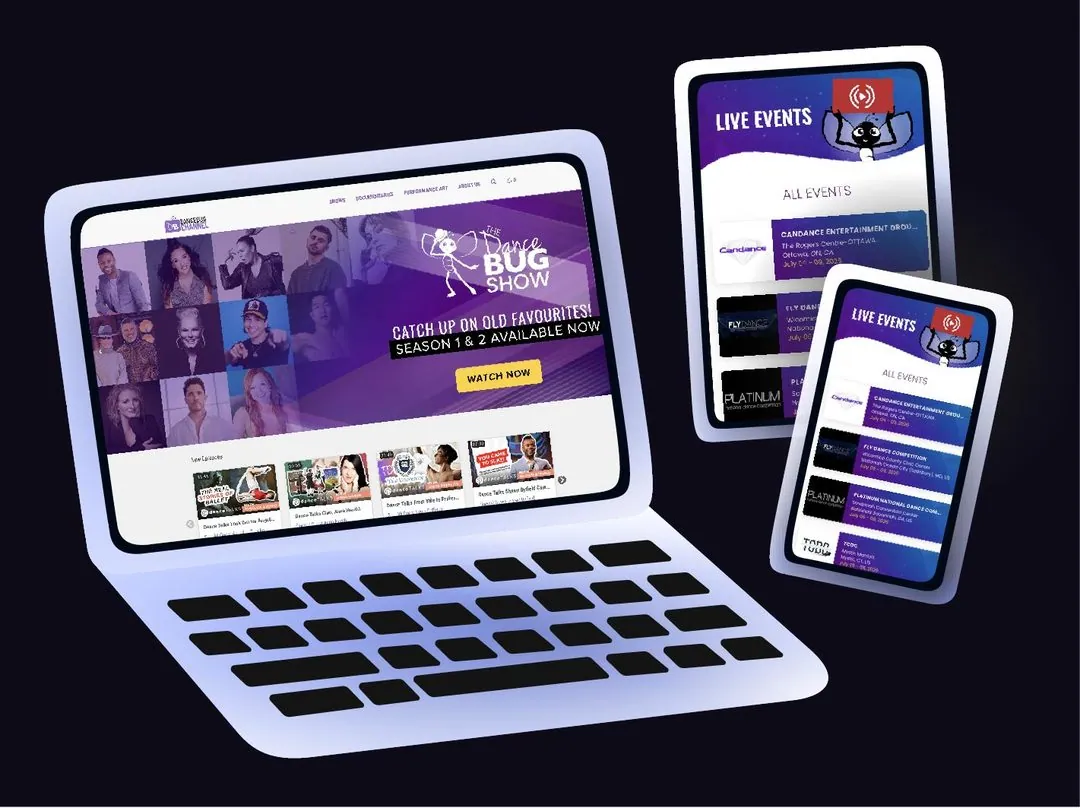
Delivering livestreams inside the DanceBUG experience
DanceBUG places Castr’s livestream output directly into its product, so families watch competitions on its own site and app rather than being sent elsewhere.
The stream is one surface among several. A single visit might involve checking a schedule, following a routine, and buying a video afterward, so sending families to an external player would break the thread.
The video layer stays invisible. DanceBUG keeps the viewing experience, the branding, and the customer relationship.
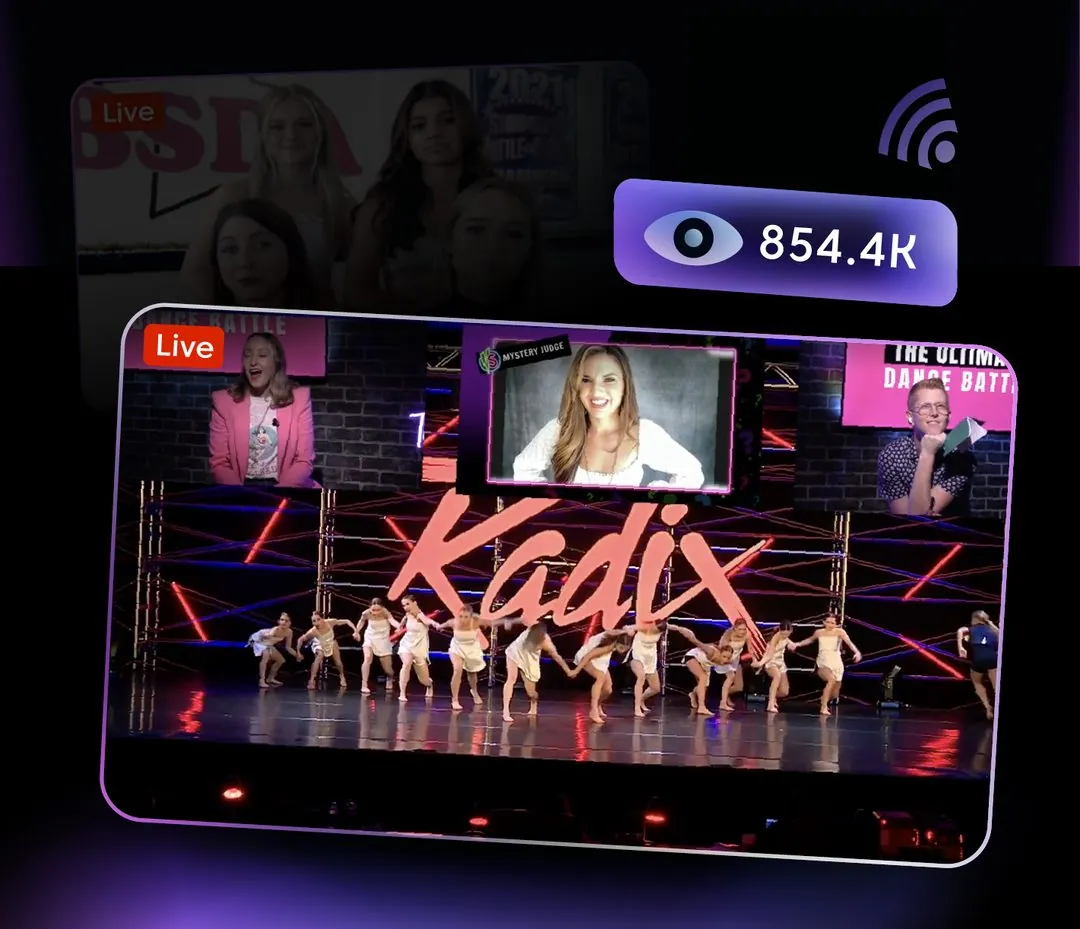
Built for seasonal demand spikes
Dance competitions arrive in waves. Busy weekends and peak periods put many events online at once, concentrating bandwidth demand into narrow windows rather than spreading it across the year.
Castr absorbs those peaks, so DanceBUG plans around its competition calendar instead of its infrastructure. That keeps the team’s attention on the event platform, app experience, and media workflows that are actually its product.
A live streaming operation that grows with the calendar
DanceBUG can take on more competitions without the video workflow becoming the constraint. In practice, that has changed how the team works:
A new competition is a scheduling task, not a setup project
Single-stream and multi-stage events follow the same process
Streams are created by DanceBUG’s systems instead of by hand
Families watch without leaving the app or website
Peak weekends run on the same infrastructure as quiet ones
Every event partner and venue has its streams organized
Engineering time goes to the event platform, not video infrastructure
The measure of it is how little the streaming shows. Families see DanceBUG, and the team spends its time on the competition rather than the broadcast.
More competitions, without more setup
Dance competitions keep running, and live streaming stays part of how families experience them. With Castr handling the video layer, DanceBUG can keep taking on more competitions, more event partners, and more viewers across web and mobile.
Because the streams are created by DanceBUG’s own systems, that growth is mostly a scheduling matter. New events join what already runs rather than starting another integration.
More customer stories
How Dubai World Trade Centre Runs Multi-Room Conference Livestreams with Castr
Multi-Session Event Streaming, Hybrid Events, Conference Streaming
Read the story →
How The Jasper Picture Company Delivered a 16-Hour Charity Telethon Across Five Platforms with Castr
Charity telethon, multi-platform fundraising broadcast
Read the story →How Ultraviolette Powers Premium Product Video Experiences with Castr
Enterprise Video Hosting, Global HLS Delivery, Custom Player Workflows
Read the story →Let’s build live video into your platform
Bring us your event calendar, your app, and the streams you need to run. We’ll show you how HLS delivery and the developer API fit into what you have already built.
Evaluating a larger rollout? See how enterprise video streaming gets scoped.